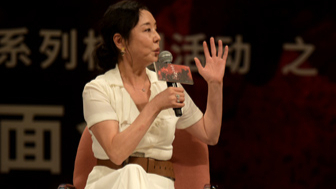
Yan Geling
Introduction
Yan Geling is a renowned Chinese-American novelist and screenwriter, widely known for her significant contributions to contemporary Chinese literature and cinema. Her works often explore themes of human emotion, cultural identity, and historical events, resonating deeply with audiences both in China and internationally. Yan’s storytelling prowess is evident in her ability to blend intricate narratives with rich character development, making her a prominent figure in the literary world.
Early Life and Education
Yan Geling was born in Shanghai, China, and spent her early years immersed in the cultural and historical backdrop of her homeland. Her formative years were shaped by the cultural and political dynamics of China, which later influenced her literary themes and character portrayals. Yan's education began in Chinese schools, where she developed a keen interest in literature and the arts. She later pursued higher education in the United States, which provided her with a broader perspective on cultural narratives and storytelling techniques. Her cross-cultural experiences have significantly enriched her literary voice, allowing her to navigate and depict the complexities of human relationships and societal dynamics.
Literary Career
Novels
Yan Geling's literary career is marked by an impressive array of novels that have captivated readers worldwide. Her narratives often delve into the depths of human emotion and the complexities of cultural identity. Notable works include The Flowers of War, which was adapted into a film by acclaimed director Zhang Yimou, and Little Aunt Crane, showcasing her ability to weave historical context with personal stories. Her novel The Criminal Lu Yanshi explores the emotional scars left by the "cultural revolution"(1966-76) and was also brought to life on screen by Zhang Yimou. Other significant works include The Ninth Widow which explores resilience and sacrifice during times of upheaval, and The Lost Daughter of Happiness which portrays the struggles of a Chinese immigrant in 19th-century America.
Her novels are celebrated for their lyrical prose and profound exploration of themes such as love, betrayal, and redemption, earning her a place among the most influential contemporary writers.
Screenplays
In addition to her novels, Yan Geling has made significant contributions to the film industry through her screenwriting. Her screenplay for the film Youth, directed by Feng Xiaogang, received critical acclaim for its poignant depiction of the lives of young performers in a military art troupe during a turbulent period in Chinese history. Yan's screenwriting showcases her talent for visual storytelling, translating complex narratives into compelling cinematic experiences. Her adaptability and depth in writing have made her a sought-after collaborator in the film industry.
Short Stories
Yan Geling's short stories further demonstrate her versatility as a writer. Her ability to capture intricate emotions and fleeting moments within the confines of a short narrative is a testament to her mastery of the form. Her short stories often mirror the thematic concerns of her longer works, focusing on personal relationships, identity, and the human condition. Yan's short stories have been featured in various literary magazines and anthologies, contributing to her reputation as a prolific and insightful storyteller.
Style and Themes
Yan Geling's literary style is characterized by its emotional depth, cultural authenticity, and narrative complexity. Her works often explore themes of identity, displacement, and the human experience, drawing on her cross-cultural background and personal history. Yan's writing is known for its vivid imagery and lyrical prose, which bring her characters and settings to life. Her ability to seamlessly intertwine historical context with personal narratives allows her to address complex social issues while maintaining a focus on the individual human experience. Yan's exploration of these themes resonates with readers across cultural and geographical boundaries, cementing her status as a significant voice in contemporary literature.








